

The expectations of the customers in any industry have changed. Buyers are now influenced by fast and reliable delivery. The last delivery process is of more importance than ever. Supply chain last-mile delivery has a direct influence on customer trust and satisfaction. Late or inaccurate deliveries at this point harm the brand image. Firms have shifted towards smarter ways of delivery to address increased expectations.
The last-mile delivery is the most important because of the following reasons.
The final mile links customers and businesses together. The customers only see the delivery stage. Any postponement brings about frustration and complaints. Small problems influence repeat purchases even in small issues. The customers demand proper communication and service. Good last-mile performance creates long-term loyalty.
Customer Expectations keep on increasing.
The development of online shopping has transformed the way delivery systems operate, especially in Last Mile Transportation. Customers now expect quick delivery services along with flexible delivery times and accurate tracking options. Late deliveries often lead to unpleasant customer experiences and dissatisfaction. These growing expectations must be effectively accommodated by companies through efficient last-mile transportation strategies. By meeting these demands, businesses can significantly improve customer satisfaction and increase retention rates.
Popular Problems in Last Mile Operations.
The congestion leads to slow deliveries within busy locations. The cost of fuel is going up, making delivery costly. There is a shortage of labour supply for drivers. Failure of deliveries is a consequence of address accuracy problems. These obstacles add to the cost and efficiency. To go over them, companies require more intelligent planning.
Optimisation of Routes enhances the speed of delivery.
The ability to use efficient routes saves on time and fuel used in delivering. Rational planning prevents traffic congestion. Drivers make fewer stops and take less time. Quick customer satisfaction is enhanced. Optimisation of routes also reduces the operating costs. This strategy favours a steady performance.
Construction of Customer Trust through Real-Time Tracking.
Customers would like to know the status of delivery. Real-time information will minimise anxiety and confusion. Monitoring enhances visibility during delivery. Customers organise their schedules. A lesser number of support calls makes operations less straining. The development of trust occurs in the form of clear communication.
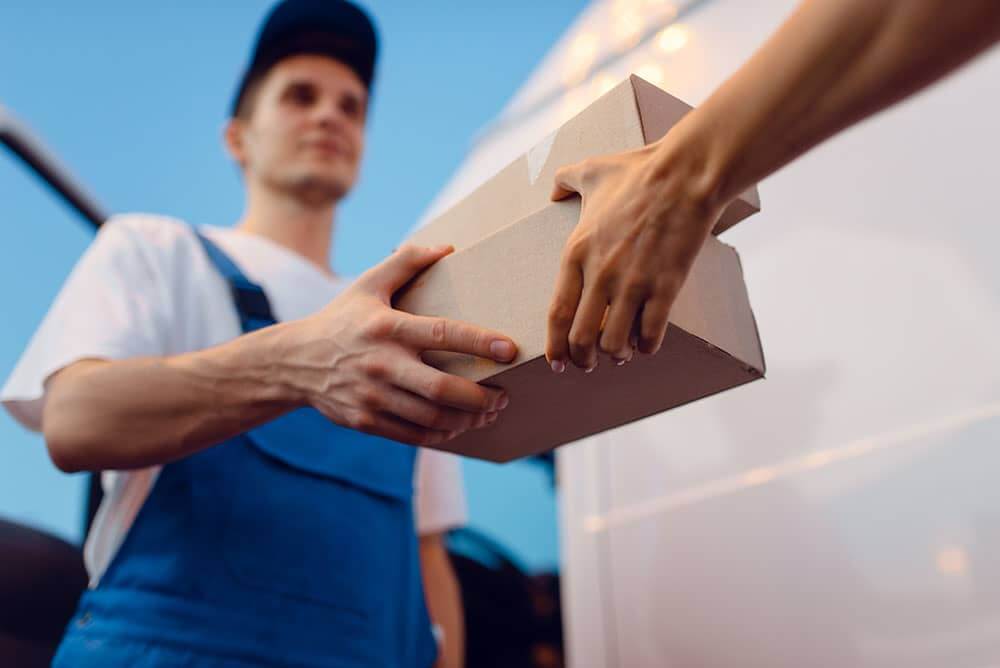
Alternative delivery methods drive customer satisfaction.
Customers are not all similar in their needs. Others like evening deliveries. Some desire secure drop sites. High flexibility minimises failed deliveries. Customers are more in control of orders. Such flexibility enhances general enjoyment.
Local Distribution Centres minimise the delays.
Smaller routes accelerate deliveries. Local hubs enhance quicker order fulfilment. Stock remains closer to the customers. This saves time on transportation. Quick delivery enhances levels of satisfaction. The availability of locality also reduces transportation costs.
Midway Pay attention to Smart Delivery Planning.
At this level, firms make their delivery systems more streamlined. Supply chain last-mile delivery is better-informed. Measurements are used to direct performance. Firms monitor the success rates of deliveries. Inefficiencies are pointed out by data. Service quality is enhanced through a process called continuous improvement.
Technology enhances more effective delivery coordination.
Electronic technologies enhance coordination among drivers. Automated dispatching minimises errors during the process. Scheduling is changed in real time. This makes its operations run smoothly. Technology enhances reaction to unforeseen problems. Enhanced coordination enhances the delivery success.
Delivery Teams: Toshiba has trained delivery teams, which help enhance customer experience.
Delivery personnel are the representatives of the company. The issue of professional behaviour in handoff is relevant. Civil treatment has a good impression. Service consistency is enhanced by proper training. Professional teams minimise complaints. Interaction with human beings is still necessary.
Sustainability has an impact on customer preferences.
Eco-friendly delivery has been appreciated by many customers. An efficient route decreases emissions. Efficient vehicles reduce fuel consumption. Green activities enhance brand image. Relying on credible operations, customers are thankful. Long-term trust is supported by sustainability.
Cost Management Without Substandard Quality.
The costs of last-mile delivery are still high. Clever budgeting is cost-saving. Effective scheduling saves the expenses on overtime. Reducing unsuccessful deliveries saves money. Competitive pricing is supported by the control of costs. There is consistency in the quality of service.
Strategic Planning is known to play a role in the success of delivery.
An effective Last Mile Delivery Strategy is one that matches the operations with customer requirements. Planning is cost-efficient and fast. It also facilitates scalability. Demand alters strategies adopted by businesses. This is long-term success through strategic planning.
Transportation preferences determine the performance of delivery.
It is relevant to select the appropriate method of delivery. Last-mile transportation choices influence the speed and reliability. Smaller cars are more helpful in the cities. Flexible fleets are responsive to changes in demand. Efficiency occurs through smart transport decisions.

Future Trends in the Last Mile Delivery.
The planning of delivery will be enhanced through automation. Smart decisions will be supported by analytics. Customer-centric models will become more powerful. Flexibility will be important. Firms need to keep on adapting. Responsive delivery systems are as favourable in the future.
Conclusion: Powerful final mile tactics create loyalty
Customer experience is determined by the last stage of delivery. Quality service establishes a long-term relationship. Supply chain last-mile delivery continues to be a critical issue in satisfying. Delays and errors are minimised by smart approaches. Companies that make sound investments are loyal. Competitive advantage is through good delivery.
Frequently Asked Questions
Last-mile delivery in supply chains. What is last-mile delivery in the supply chain?
It is the last stage that involves the delivery of goods to customers.
What is the significance of the last-mile delivery?
It has a direct effect on consumer satisfaction and brand confidence.
What can companies do to enhance last-mile delivery?
By optimising routes and tracking, as well as offering flexibility in delivery.
Last the last-mile delivery have an impact on costs?
New, yes, it is the most costly delivery step frequently.
Is there a willingness by customers to pay extra in order to have a better delivery?
Most customers appreciate quick and efficient delivery services.