

The last mile has seen more changes in the past couple of years than it did over a decade. Customers in 2025 demand from us fast, accurate , and transparent deliveries, every time. The smart experience Businesses today depend on smart tech to meet the expectations and remain competitive. Here’s what’s happening on the last mile, and why it matters.
Customer Expectations Are Rising Fast
Consumers crave the delivery options that suit their lifestyles. They want same-day or next-day delivery, live tracking (like on Uber), and seamless communication. They just want to know where their order is and when it will get there. And when a business provides reliable and consistent delivery, customers trust it more. When that fails, they promptly turn to a competitor instead. This transition is forcing companies to re-imagine and enhance their last-mile delivery model.
The New Backbone Is Smart Technology
The last mile in 2025 is powered by smart tech. Artificial intelligence helps companies plan the fastest routes and predict delivery demand. This way, drivers steer clear of traffic, lessening delays and squeezing in more orders within a shorter span. Machine learning models analyse past trends in delivery and assist businesses in getting ready for busy days before they arrive.
Role of smart sensors
Smart sensors are also a big factor. They monitor the conditions of packages like temperature and location. This makes customers feel more secure, particularly as they order groceries, medicine, or other sensitive items. Sensors allow delivery teams to act fast when something goes awry.
Real-Time Tracking Builds Stronger Trust
No one is really interested in waiting around for quick delivery windows anymore. And with live tracking, they get to be in control and feel less frustrated. Today’s tracking tools alert us at the moment a package leaves the warehouse, enters our neighborhood, and lands at our door.
For companies, tracking cuts down on customer service calls. When people actually see on their phones updates about their order, they don’t ask anymore, “Where is my order?” This makes it nicer for everyone.
Automation Speeds Up Fulfilment
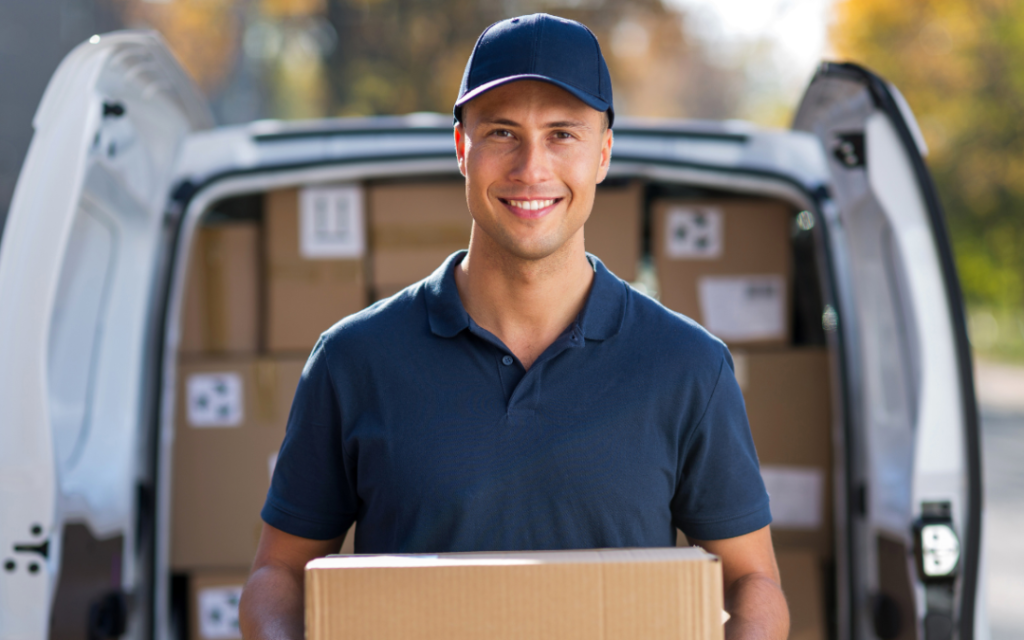
Automation has now shifted from the warehouses to the last mile. Automated sorting systems, smart lockers, and delivery robots are quickly becoming expected as part of the chain. Smart lockers enable customers to pick up orders around the clock, cutting down on failed delivery. Robots take over short, monotonous delivery routes in cities and business parks. Automated technology allows companies to get more orders out with fewer delays. It saves on running costs, too, which must count for something while delivery volumes keep rising.
Sustainability Shapes Delivery Choices
Customers care more than ever about sustainability. They favor brands and companies that lower carbon emissions and use cleaner modes of transport. Electric vans, cargo-scooter delivery services and drone-delivery trials are bubbling up from cities where strict environmental regulations have forced companies to innovate.
Intelligent routing solutions are also more ecological. The hope is to cut down on fuel use by encouraging drivers not to take unnecessary turns, idle or make an extra return trip. A greener last mile transportation is good for the planet, not to mention for brand perception.
Data Helps Companies Improve Service
In 2025, data is the backbone of every last-mile delivery strategy. They’re constantly receiving valuable information with every scan and update, as well as from the actions of their customers. They will use this to learn what customers want, where delays occur, and where micro-fulfillment centers should go. Latest research also allows businesses to experiment with new delivery models. They can see what options are working best and make adjustments without throwing the whole thing into chaos.
Smart Warehousing to Facilitate Faster Delivery
Last-mile delivery begins well before the driver is on his or her way out of a warehouse. By 2025, smart warehousing technologies such as sensors, automated picking systems, and AI-equipped inventory management will prepare orders more quickly and accurately. The smoother the warehouse, the easier the last mile. This level of performance enables businesses to satisfy growing customer demands for fast, predictable delivery without the burden of backlogged operations.
Hyper-Local Fulfillment Centers Improve Speed
To meet demand, many brands today deploy micro-fulfillment centers strategically located near booming neighborhoods. These smaller hubs reduce travel time and limit the chances of traffic or weather-related delays. When orders begin closer to the customer, there are same-day and even one-hour delivery windows that can be more effectively met. This method also enables a more flexible delivery network, so businesses can adapt rapidly when demand surges.
AI Can Predict What Customers Will Order Before They Even See a Menu
Smart tech isn’t merely responding to what customers want — it’s defining those preferences. AI tools crunch shopping habits, seasonal patterns, and local trends to predict what customers will be stocking up on next. This prediction helps companies make sure they have the right products in the right places. Faster and more reliable delivery is a byproduct of items being close by. AI for forecasting also helps with clear communication by calculating the correct delivery time and decreasing last-minute orders.
Smart Returns Add Up To Make the Experience Whole
Last-mile delivery does not stop at the front door. Seamless returns is now part of the customer experience. Smart lockers, digital return labels, and automated refund systems are among the technologies that make returns less painful for both shoppers and businesses. When shoppers know it’s easy to return goods, they have more confidence shopping online. This trust fosters loyalty and repeat shopping, where customer service at the very end of the delivery cycle is just as crucial as the beginning.
The Next of Last Mile Delivery
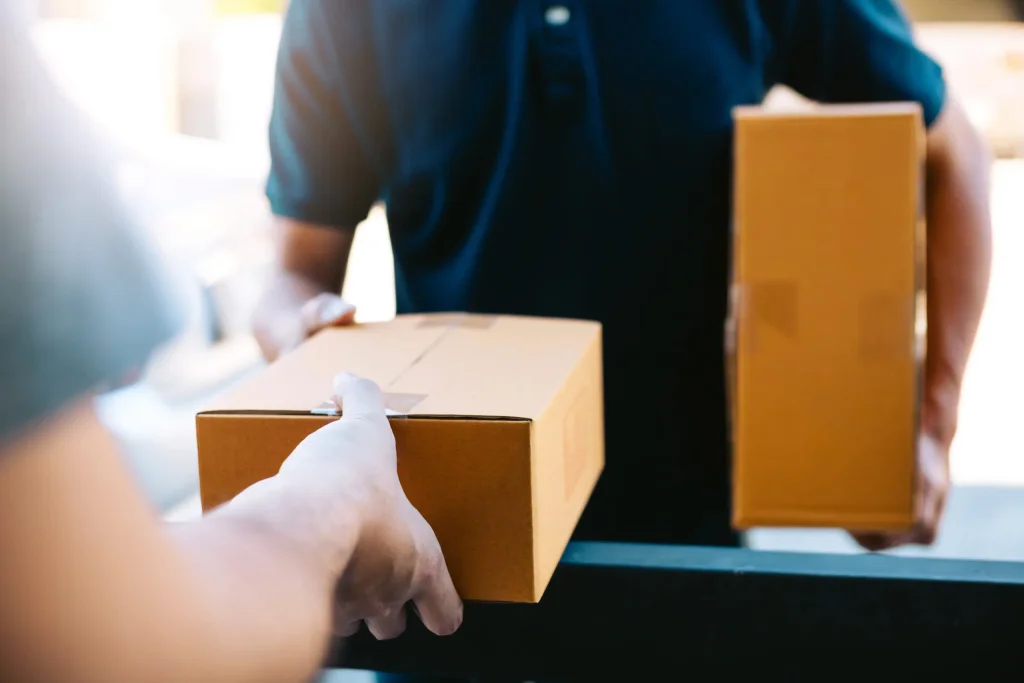
The future of Supply Chain Last Mile Delivery looks fast, smart, and customer-centric. Companies that invest in technology now will be ahead. They’ll move quickly, communicate better, and build stronger relationships with customers. And as tech gets smarter, consumer demand for smooth and customized delivery experiences will grow even stronger. First responders will win; those who do not adapt will struggle to compete. The last mile is no longer just the end of the shipping line—today, it is a major part of the customer experience. In 2025, it is being reshaped by smart technology, clear communication, and ceaseless innovation.
For More Information, Visit our Instagram Page.
FAQs
1. How will my fulfillment partner not suck in 2025?
By leveraging a fulfillment partner that uses smart tech to enhance accuracy, speed,d, and visibility throughout the entire delivery process, you can guarantee great service. Search for those that are investing in AI-powered tools, real-time tracking, and automated routing to improve their 3PL performance.
2. What are some of the smart technologies that help accelerate and make last-mile delivery more reliable?
AI route planning, real-time tracking systems, and smart sorting machines are the top technologies that have been driving last-mile delivery speed. These new technological resources add to a continuity of smooth GCC fulfillment and lessen the lag time for satisfied customer experiences.
3. What does customer experience look like with real-time tracking in 2025?
Real-time tracking provides customers with more accurate delivery status and minimizes surprises. As a fulfillment center links tracking tools across its 3PL network, customers have greater faith in the process and call support less.
4. What are the benefits of automation in last-mile delivery?
By automating processes like sorting, dispatch, and scanning, our fulfillment partners can manage more orders with greater accuracy. These enhancements reinforce e-commerce fulfillment capabilities and further streamline peak season deliveries.
5. How does sustainability factor in last-mile delivery today?
Sustainability is important because customers are becoming more attuned to environmental cost. A lot of 3PL logistics providers utilize electric vehicles, intelligent routing, and energy-conserving practices to promote cleaner operations.