

Online shopping has transformed the way people shop for goods. Being quick is now influencing customer preference. E Commerce last mile delivery is key to this experience. It includes the last leg of a delivery to the customer’s door. This influences speed, cost and satisfaction. Delivery performance is also how many shoppers judge a store. Which is why last-mile delivery matters so much.
Analysing Last Mile Delivery in E-Commerce
Last Mile Delivery Sector begins when an order leaves a local hub. It concludes when the package is in the buyer’s hands. This close range presents many challenges. Delays are primarily due to traffic, access to the location, and timing. Such fast and reliable service is what consumers have come to expect. Companies will just have to keep up. And this is where most of the money is spent in delivery operations.
Why Last Mile Delivery is a Key to Customer Experience
Expectations from Customers: Customers expect clear updates and rapid arrivals. Delays lead to a lack of trust and repeat sales. A good release gives the seller confidence. Clear communication improves satisfaction levels. Customers remember good delivery experiences. Bad delivery can result in complaints and returns. E Commerce last mile delivery impacts brand image even when customers don’t engage with the company.
The Rise of the Need for Speed in Delivery
Online consumers want delivery the same day or the next day. Urban growth increases delivery pressure. More orders go through the local networks every day. Delivery drivers are dealing with greater volumes than ever. Speed is the new measure of success in online retail. Businesses need to adjust to higher expectations. It is this demand that planning can, in part, work to contain.
Last Mile Delivery Cost Difficulties
Costs mount for fuel, labour, and failed attempts. City deliveries have problems with parking and access. It takes longer to deliver in rural areas. These factors increase overall costs. Cutting corners is a delicate balancing act for business. Waste and delays are minimised when smart routing is used.
Flexibility and Convenience Sense for Customers
Flexible delivery options improve satisfaction. Customers are clamouring for time windows and location options. Missed deliveries frustrate buyers. Flexible options reduce failed attempts. Convenience builds loyalty over time. Businesses that adjust create repeat customers. The balance between their two modes of delivery is now more important than ever.

Sustainability in the Last Mile of the Delivery
Environmental concerns affect delivery strategies. Short trips still create emissions. Businesses seek cleaner delivery methods. Better routing reduces fuel use. Local hubs shorten travel distances. Buyers with a conscience are drawn towards sustainable practices. Working with green options is helping drive long-term growth.
The Importance of Local Infrastructure
Local infrastructure impacts delivery speed. Road conditions affect travel times. Dense areas face congestion issues. Rural areas face distance challenges. Businesses need to plan according to the needs of the location. Local knowledge improves delivery success. Strong infrastructure supports reliable service.
Strategy and Planning in the Midway
Powerful preparation underpins effective delivery systems. E-commerce Mile Delivery relies upon intelligent choices. Businesses must analyse order patterns. Planning reduces delays and costs. Good strategies improve customer satisfaction. This is the area where operations meets customer experience. Planning makes for a smooth final delivery!
Last Mile Delivery Workforce Concerns
Delivery is about being fast and correct. High demand strains the available workforce. Training improves performance and safety. Fair scheduling reduces burnout. Skilled workers deliver better service. Workforce planning is indicative of a consistent level of quality. Happy workers improve customer outcomes.
Security and Package Safety
Customers fear that their package will be lost or damaged. Secure handling reduces these risks. Clear delivery instructions help drivers. Safe drop options prevent theft. Confidence comes with the safe delivery of packages. There are security provisions for businesses as well as buyers. Consistent delivery creates trust over the long term.
Understanding Key Industry Concepts
That’s why so many people. What is Last Mile Logistics in the easiest language? It’s about the same exercise, though it is making the best use of the VERY last mile. At this stage, warehouses are connected with customers. The Last Mile Delivery Industry is growing at an unprecedented pace. Growth follows online shopping trends. Knowing these terms may help you plan more effectively.
The Future of Last Mile Delivery
Delivery models continue to evolve. Urban hubs support faster service. Data-driven decisions improve outcomes. Customer expectations will keep rising. Businesses need to be flexible and reactive. The success of future delivery will be determined by innovation. Adaptation ensures long-term relevance.
Conclusion on The Importance of Last Mile Delivery
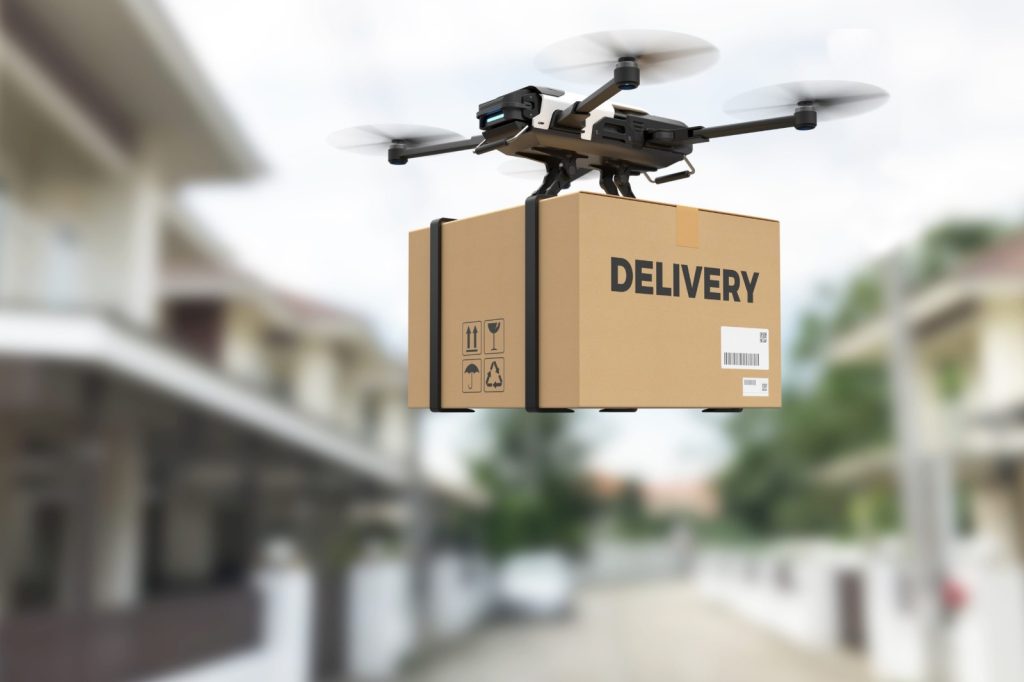
The last mile defines satisfaction for customers now. E Commerce last mile delivery is where online orders meet real life. It involves cost, speed, and trust. Businesses have to invest in intelligence. Powerful delivery systems drive growth and loyalty. All in the last little bit, and this is what will make it or break it for you.
Frequently Asked Questions
Why is the last mile for delivery so costly for businesses?
It requires labour, gas, and more than a few delivery attempts.
In what way does last-mile delivery affect customer retention?
Nothing builds trust and encourages repeat purchasing quite like fast, dependable delivery.
How can small businesses enhance last-mile delivery?
Yes, performance can be enhanced through planning and partnerships with local actors.
How does the problem of sustainability arise with last-mile delivery?
Yes, some customers would like eco-friendly delivery options.
What leads to the majority of last-mile delivery delays?
Delays happen because of traffic, address problems, and unsuccessful delivery attempts.